
The Allure of Casino Games
The excitement surrounding casino games can be attributed to a myriad of psychological factors that draw players in. One of the most significant elements is the thrill associated with risk-taking. When individuals engage in gambling, particularly with monetary stakes on the line, they experience a rush of adrenaline that elevates their emotional state, especially when exploring online casino real money nz options. This heightened sense of excitement transforms the gameplay into an exhilarating experience, compelling players to chase that feeling repeatedly. The intense emotional responses elicited during gaming sessions often cause players to forget their everyday concerns, allowing them to focus entirely on the potential for winning.
In addition to the thrill of risk, the unpredictable nature of casino games taps into players’ psychological need for control and mastery. Many players operate under the belief that their decisions can influence the outcome of games, even in scenarios that rely heavily on chance. This belief in personal agency can create a powerful sense of empowerment. For example, a poker player may feel a surge of confidence as they assess their hand and calculate odds, convinced that their strategic choices will lead to victory. This illusion of control fosters a deeper emotional connection to the game, encouraging prolonged engagement as players pursue success.
Moreover, the social aspects of casino games significantly enhance their appeal. Casinos are vibrant environments filled with energy, where players not only compete against the house but also against one another. This competitive atmosphere fuels excitement and fosters camaraderie among individuals at the tables. Players share stories, celebrate wins together, and empathize during losses, creating a community built on shared experiences. This social dimension can lead to repeated visits, as players seek both the thrill of the game and the connections formed with fellow gamblers.
The Impact of Variable Rewards
The psychology of variable rewards is a fundamental principle that underlines the design of casino games. Unlike predictable rewards, such as consistent payouts or bonuses, variable rewards introduce an element of uncertainty that is psychologically stimulating. This unpredictability keeps players engaged, as the anticipation of a potential win can create a rollercoaster of emotions that enhances the gambling experience. Research indicates that variable reward systems are particularly effective in sustaining interest and driving behavior, a principle that casinos utilize to encourage longer play sessions.
Slot machines, for instance, exemplify this concept of variable rewards. Each time a player pulls the lever, they are met with uncertainty regarding the outcome, generating suspense and excitement. The thrill peaks with every spin, even though the chances of hitting a jackpot are generally low. This psychological phenomenon often leads to a ‘near miss,’ where players come tantalizingly close to winning. Such experiences can be particularly reinforcing, making players more likely to return for another shot at victory, despite the unfavorable odds they face.

The reward schedule within casinos is meticulously crafted to maintain player engagement. Players are often rewarded just enough to keep them invested, even if their overall payout is less than their initial stake. This carefully orchestrated system of rewards can create a habitual pattern of behavior, prompting frequent visits. Understanding this dynamic reveals why many patrons find it challenging to walk away, as their brains become conditioned to anticipate the next big win, creating a cycle of excitement and engagement that is hard to break.
The Role of Cognitive Biases
Cognitive biases play a significant role in shaping how players perceive their chances of winning within casino games. One prevalent bias is the illusion of control, where players mistakenly believe they can influence the outcomes through their actions. For example, a player might think that using certain rituals or strategies could manipulate the randomness of a dice roll or a slot machine spin. This misconception often drives deeper engagement with the game, resulting in extended gambling sessions and increased financial commitment.
Another common cognitive bias is the gambler’s fallacy, where players erroneously believe that past outcomes will influence future results. For instance, if a roulette wheel has landed on black multiple times in succession, players might assume that red is “due” to appear. This flawed logic can lead players to make betting decisions based on luck rather than statistical reality. Recognizing these cognitive biases is crucial in understanding why players may persist in gambling, even after experiencing a series of losses, as they chase the elusive win they believe is just around the corner.
The effects of cognitive biases extend beyond individual decision-making processes. Casinos often exploit these biases in their marketing and game design, luring players into believing they have more control or better odds than they actually do. For instance, promotional materials may spotlight ‘winners’ while omitting the far larger number of players who incur losses. This manipulation of perception sustains the gambling cycle, as players continue to return, seduced by the misconceptions fostered by cognitive biases.
The Emotional Rollercoaster of Gambling
The experience of gambling is often likened to an emotional rollercoaster, characterized by intense highs and lows that can deeply affect players both mentally and physically. The euphoric feelings that accompany winning—such as excitement and joy—contrast sharply with the despair and frustration that can arise from losing. This emotional fluctuation is a vital component of the gambling experience and significantly influences players’ psychological states and decision-making processes. Understanding this emotional landscape can help explain why many find gambling addictive and difficult to resist.
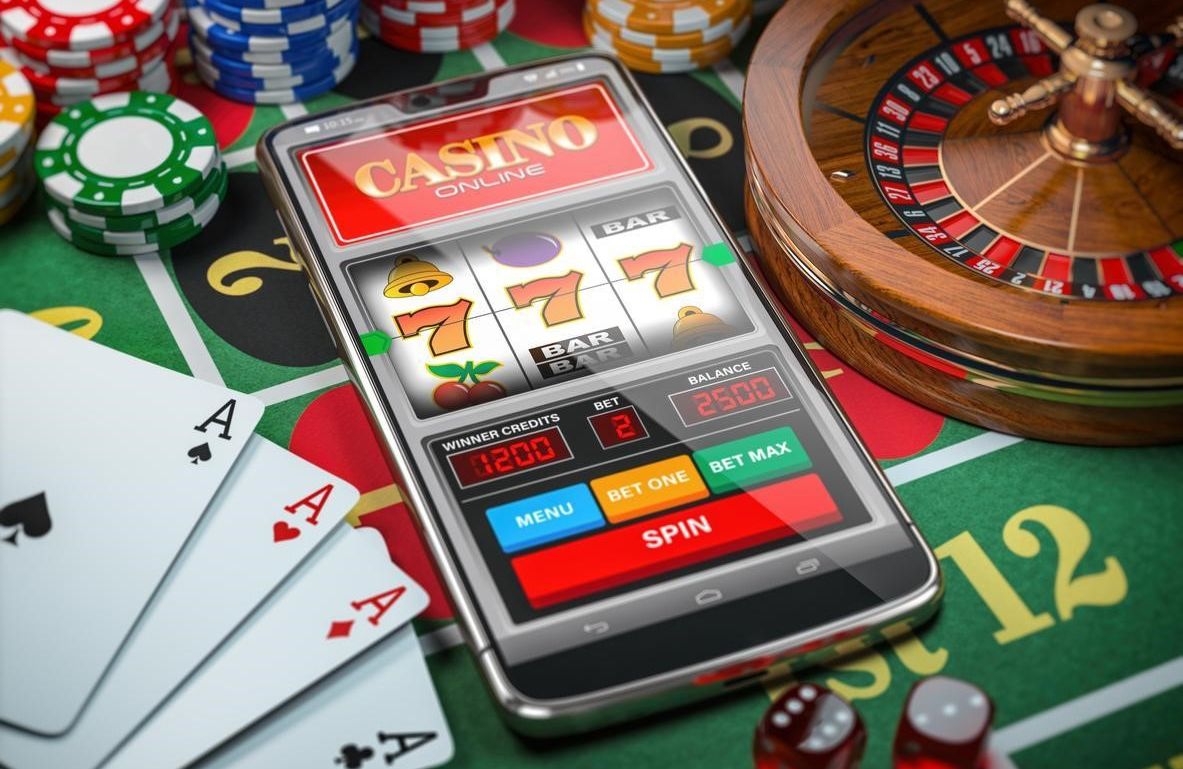
Players often embark on an emotional journey that serves as a form of escapism. Casinos are meticulously designed to create immersive experiences; the sounds, lights, and celebratory atmosphere evoke feelings of happiness and excitement. When players win, the festive environment amplifies their joy, reinforcing their desire to keep playing. Conversely, losses can heighten feelings of disappointment, creating a compelling push-and-pull dynamic that drives players to continue gambling in hopes of redemption.
Furthermore, the urge to escape negative emotions can lead individuals to gamble more extensively. Many players turn to gambling as a coping mechanism for stress or personal issues, seeking solace in the distraction it offers. This tendency can create a cycle where individuals gamble not solely for enjoyment but as a means of escaping their troubles, often leading to adverse consequences. Acknowledging this emotional framework is crucial for recognizing the potential risks associated with gambling and the psychological factors that drive player engagement.
Understanding the Online Gaming Landscape
The emergence of online casinos has revolutionized the gambling landscape, introducing new psychological dynamics that affect player behavior. Unlike traditional casinos, which offer the excitement of a physical environment, online platforms provide unparalleled convenience and accessibility, often resulting in increased frequency of gambling. The instant gratification associated with online gaming enables players to engage in gambling at any time, blurring the lines between casual play and compulsive behavior.
Another critical aspect of online casinos is the anonymity they afford players. Many individuals can gamble from the comfort of their homes, which can lead to a disconnection from the consequences of their actions. This detachment can heighten the likelihood of excessive gambling, as players may feel less accountable for their losses than they would in a traditional casino setting. Additionally, the absence of face-to-face social interaction diminishes the communal aspects of gambling, which can provide grounding or support for players.
As the online gaming industry continues to expand, it is essential for players to remain cognizant of their behavior and the psychological factors at play. Being aware of the risks associated with online gambling and recognizing signs of problematic behavior can empower players to make informed choices. Many online casinos are beginning to implement responsible gambling measures, such as deposit limits and access to support resources, to assist players in maintaining control over their gaming habits.